Context
Our client is a UK online travel agency selling personalised travel and tailor-made holiday packages. Their selling model runs through homeworkers — self-employed travel agents working from home — which shapes everything about how the business operates.
Problem
A homeworker model means the agency’s core system has to serve three audiences at once: customers who expect a personal service, agents who need everything about their clients in one place, and head office managing suppliers, payments and compliance across all of it.
Four constraints made this harder than a standard CRM build:
- Scale. Large numbers of customers, agents, suppliers and bookings, without degrading.
- Sensitivity. Passport details, payment data and travel itineraries.
- Integration. It had to sit inside an existing estate — website, payment gateways, airline booking, hotel reservations, an external training module, social media, newsletters and intranet.
- Two very different users. Agents live in the system all day. Customers touch it occasionally. One interface could not serve both well.
Approach
We designed for integration first. A travel CRM that cannot reach airline and hotel booking APIs is a filing cabinet, so we built a modular architecture where external systems attach at defined boundaries rather than being wired through the core.
On the data side we implemented encryption, role-based access control and regular security audits. On the interface side we treated agent and customer as separate design problems that happen to share a database.
What we built
For agents
- Customer profiles with contact details, travel history, preferences and special requirements
- Booking management with live itinerary updates
- In-app messaging and notifications to customers
- A mailbox with folder management, plus internal live messaging between all platform users
- A file-sharing module for documents and folders
- A training module for continuing skills development
- A forum for discussing domain topics
- Support ticketing
For head office
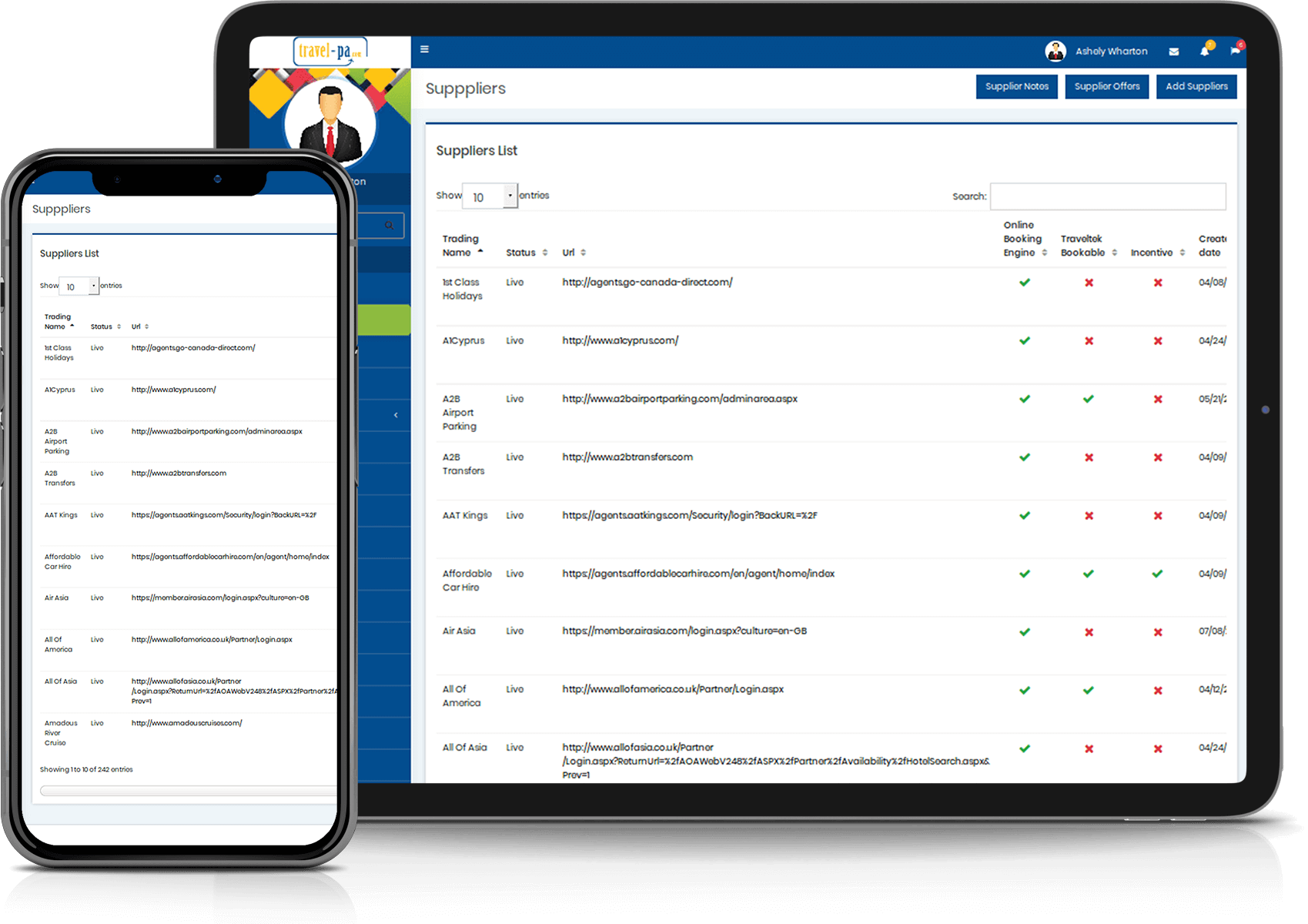
- Supplier management for tour operators
- A cruise offers module
- Integrated payment gateways with automated invoicing
- Marketing automation driven by customer behaviour and preferences
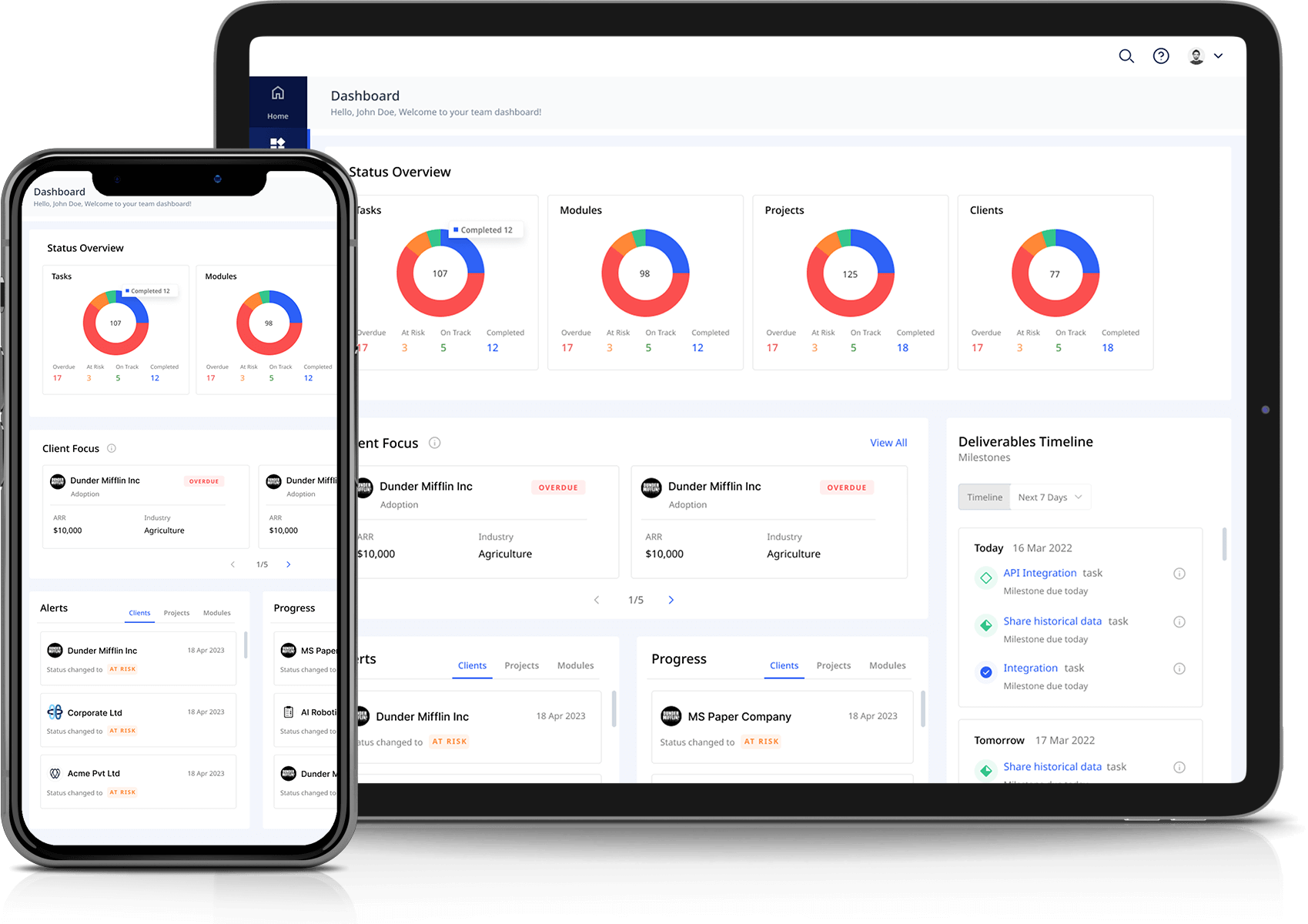
- A dashboard for operational oversight
Results
The CRM reduced manual work and improved response times. Marketing automation let the agency target promotions by behaviour rather than by broadcast, and agents gained a single view of each customer.
Metric slot — needs client approval. Bookings processed, agents on the platform, or the change in conversion after behaviour-based targeting went live.
Related
Customer Onboarding and Prioritization Platform · Online Tax Preparation and Filing · Business Process Management ERP