
B2B SaaS Product Engineering
From MVP to multi-tenant, with the same team.
We build B2B SaaS products end to end — the multi-tenant architecture, the onboarding, the billing and the admin — and then we stay on to scale them.
The problem
The MVP is the easy part.
Most SaaS products die somewhere between the first ten customers and the first hundred. Not because the idea was wrong, but because the things nobody scoped — tenant isolation, role hierarchies, billing edge cases, an admin surface support can actually use — turn out to be most of the product.
Rebuilding those under load, with customers already on the platform, costs several times what building them properly would have. We have watched it happen, and we have been the team called in afterwards.
What we do
Six things, and the judgement to know which you need.
Multi-tenant architecture
Tenant isolation, roles and permission hierarchies designed before the first customer, not retrofitted after the tenth.
Onboarding and implementation
The workflow that turns a signed contract into an active account. Usually the difference between churn and expansion.
Billing and subscriptions
Plans, usage metering, proration, invoicing and the edge cases finance will find within a quarter.
Admin and support surfaces
The internal tooling your team lives in. Under-built admin is a permanent tax on every support conversation.
Integrations
JIRA, payment gateways, booking systems, CRMs. Modular boundaries so an integration change is not a product change.
MVP to scale
We build the first version to be replaced in the right places and kept in the others, then do the scaling ourselves.
How we work
Assess, build, operate.
Assess
We start with your workflow, your data and your constraints — not with a model choice. Two to four weeks. You leave with an architecture, a scope, a cost and latency envelope, and an honest answer on whether the thing is worth building at all.
Build
A small senior team works inside your process, not alongside it. Environments, CI/CD, evaluations and security are set up in the first week rather than bolted on before launch.
Operate
We stay on after go-live — scaling, new features, model and dependency updates, incident response. Most of our engagements are measured in years.
Proof
Work we have shipped.
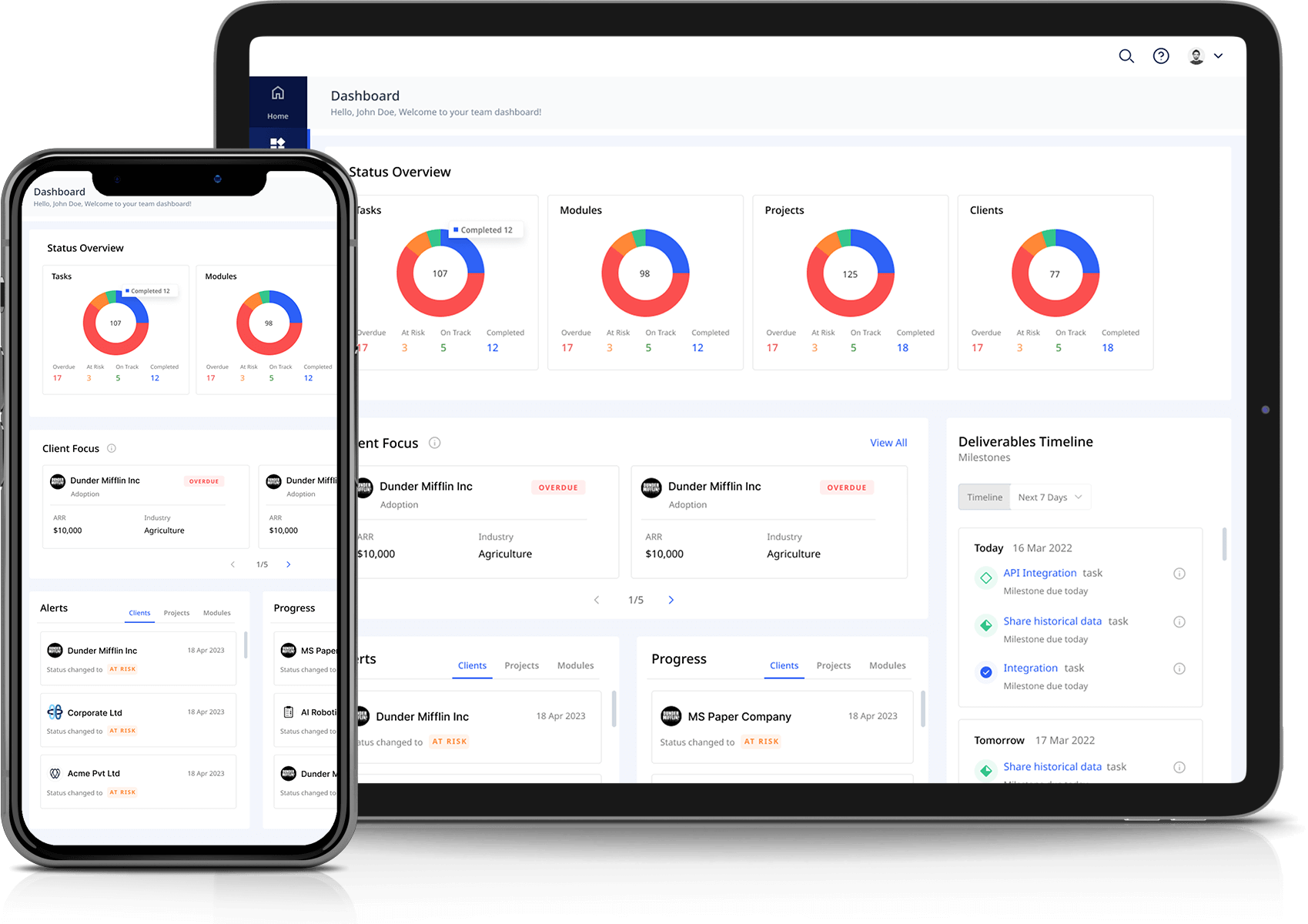
Customer Onboarding and Prioritization Platform
MVP to production platform for enterprise SaaS onboarding: cross-functional collaboration, use-case management, RAG status reporting and JIRA integration.
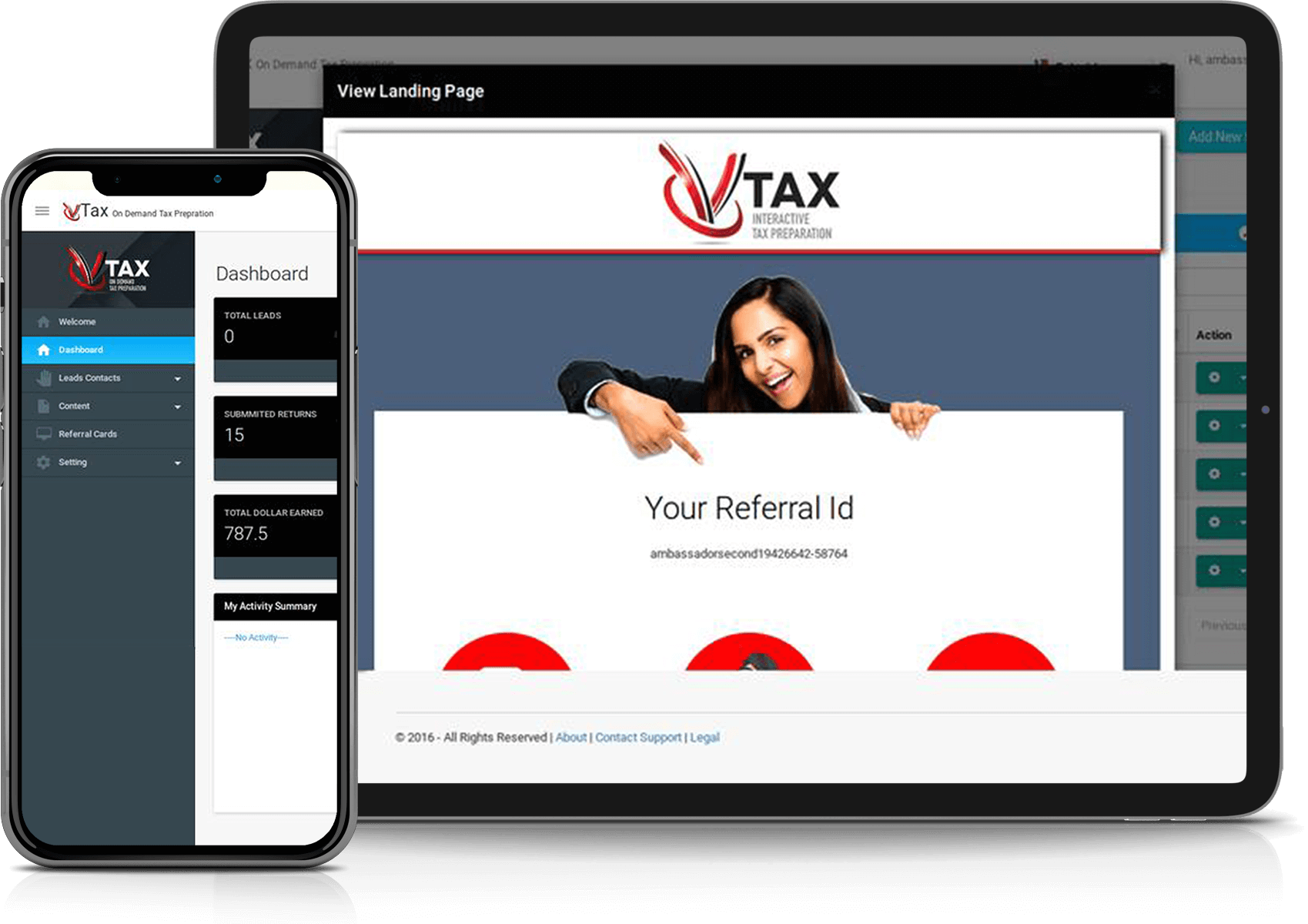
Online Tax Preparation and Filing
A multi-role tax management platform and taxpayer mobile app connecting filers to a national network of CPAs and enrolled agents.
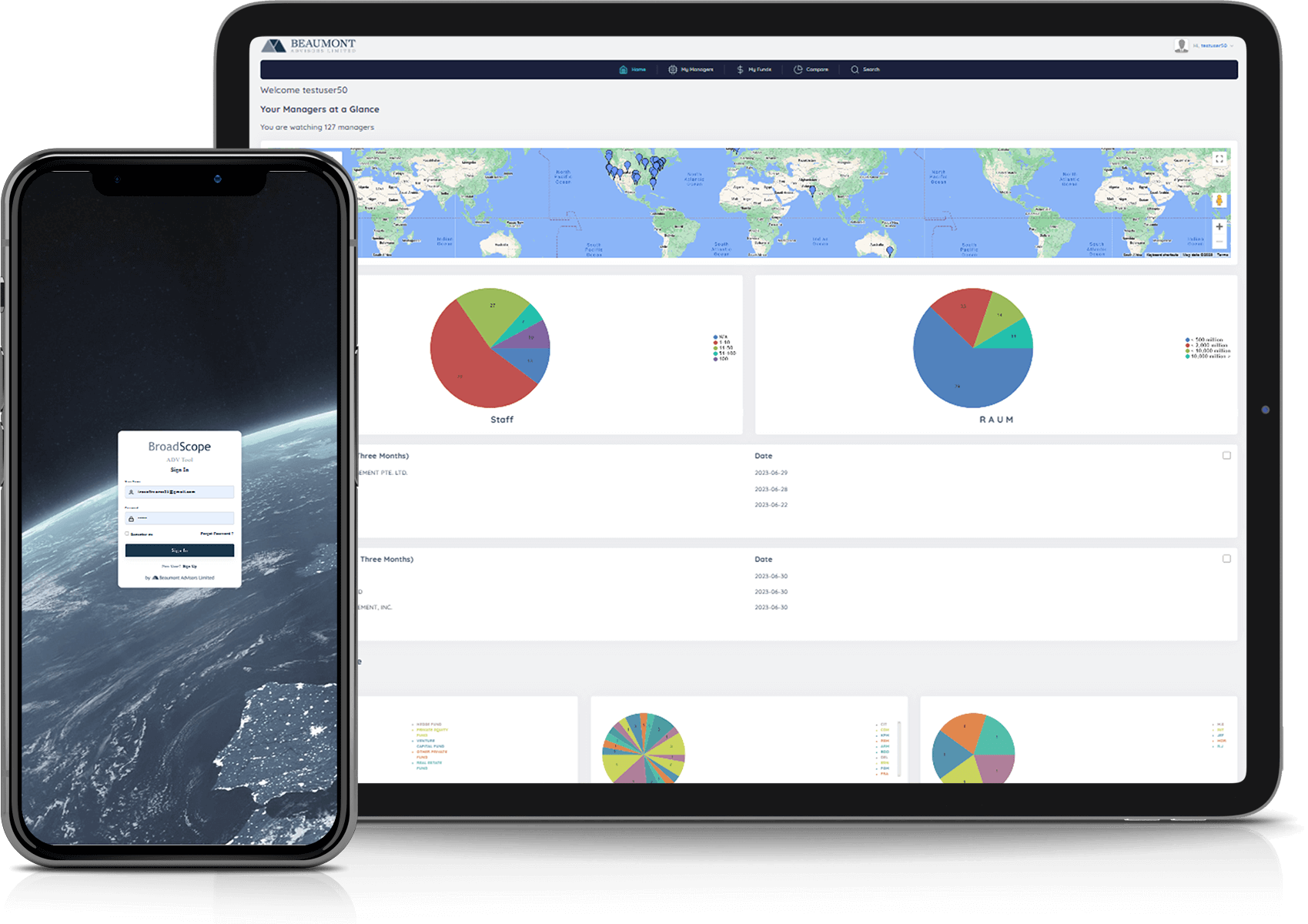
Operational Due Diligence Platform
Turns unstructured ADV filings into searchable, comparable data so institutional investors can assess operational risk properly.
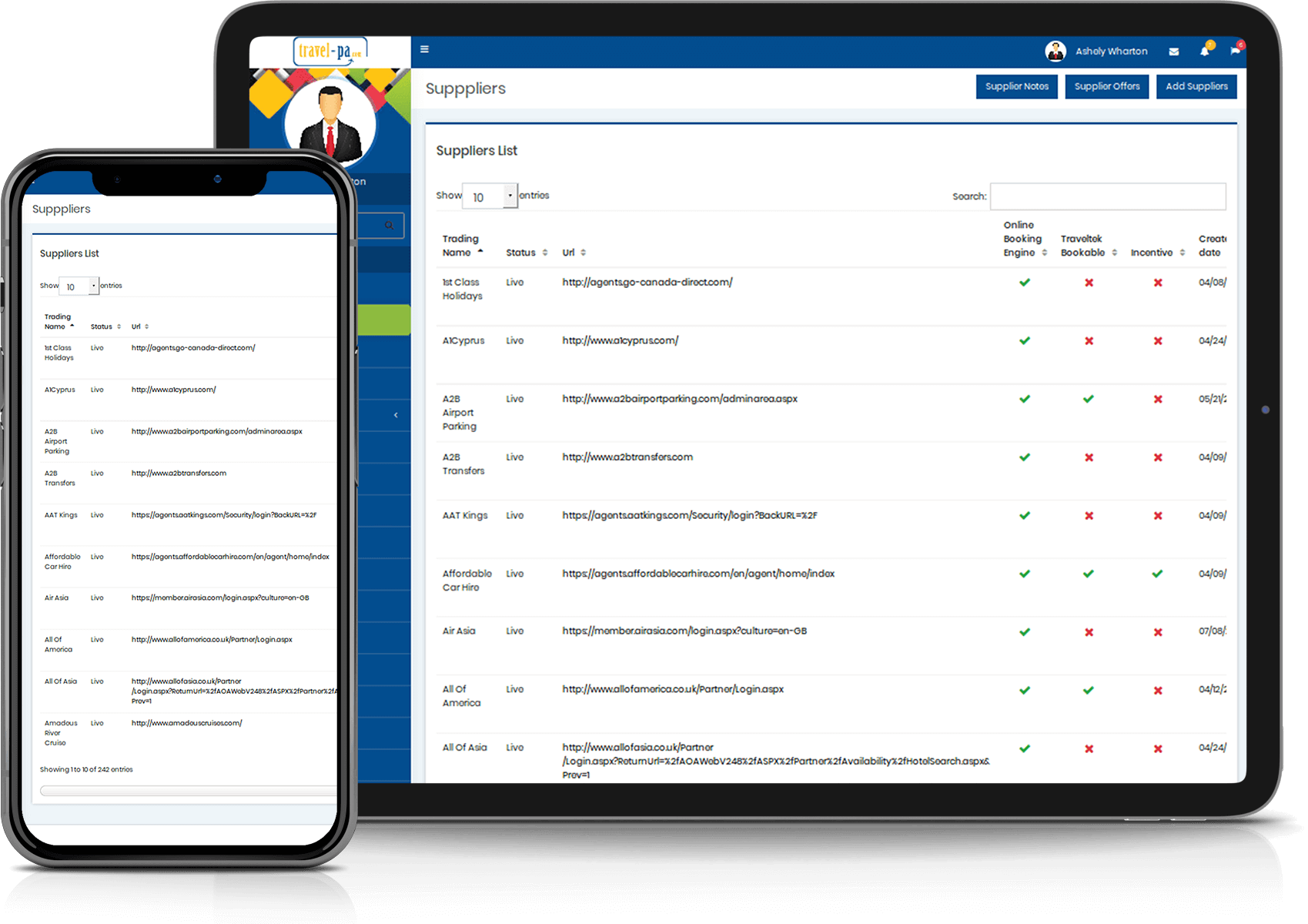
Travel Booking CRM
Custom CRM for a UK travel agency running customers, homeworker agents, suppliers, bookings and marketing on one platform.
“It was a pleasure working with IRA Softwares on some projects where we had to complete the projects efficiently with good quality. Over the years, Nittile has built a team of very professional and talented developers serving international clients — strongly recommended!”Founder & CEO — CogniSaaS
Questions
What clients ask us first.
Can you take over a product someone else built?
Yes. Several of our longest engagements started that way. We begin with an architecture review so both sides know what we are inheriting before anyone commits to a roadmap.
We only have budget for an MVP. Is that worth doing?
Yes, if the MVP is scoped to answer a question rather than to look finished. We built CogniSaaS that way — a time-boxed MVP, then a scaling engagement once it validated.
How do you handle multi-tenancy?
It depends on your isolation and compliance requirements — shared schema, schema-per-tenant and database-per-tenant all have their place. This is one of the decisions we settle in the assessment, because changing it later is expensive.
Do you do design as well as engineering?
We design the interface and the interaction. For heavy brand work you are better served by a specialist studio, and we will say so.
What about our existing data?
Migration is planned as part of the build, not bolted on at the end. It is usually the step that determines the cutover date.
How big is the team you put on a project?
Small and senior, and deliberately so — you get the people who wrote the code, not an account layer in front of them.
Get in touch
Building a SaaS product, or scaling one?
Tell us where it is now and where it needs to get to. We will tell you what has to change architecturally to survive the next order of magnitude.
Prefer email? info@irasoftwares.com